Understanding Cape Cod Homes
Characterized by their cozy charm and historical significance, cape cod homes continue to capture the hearts of many homeowners. With a unique blend of coastal culture and practical design, these homes reflect a style deeply rooted in America’s architectural history and adapted to meet modern needs.
Historical Significance of Cape Cod Homes
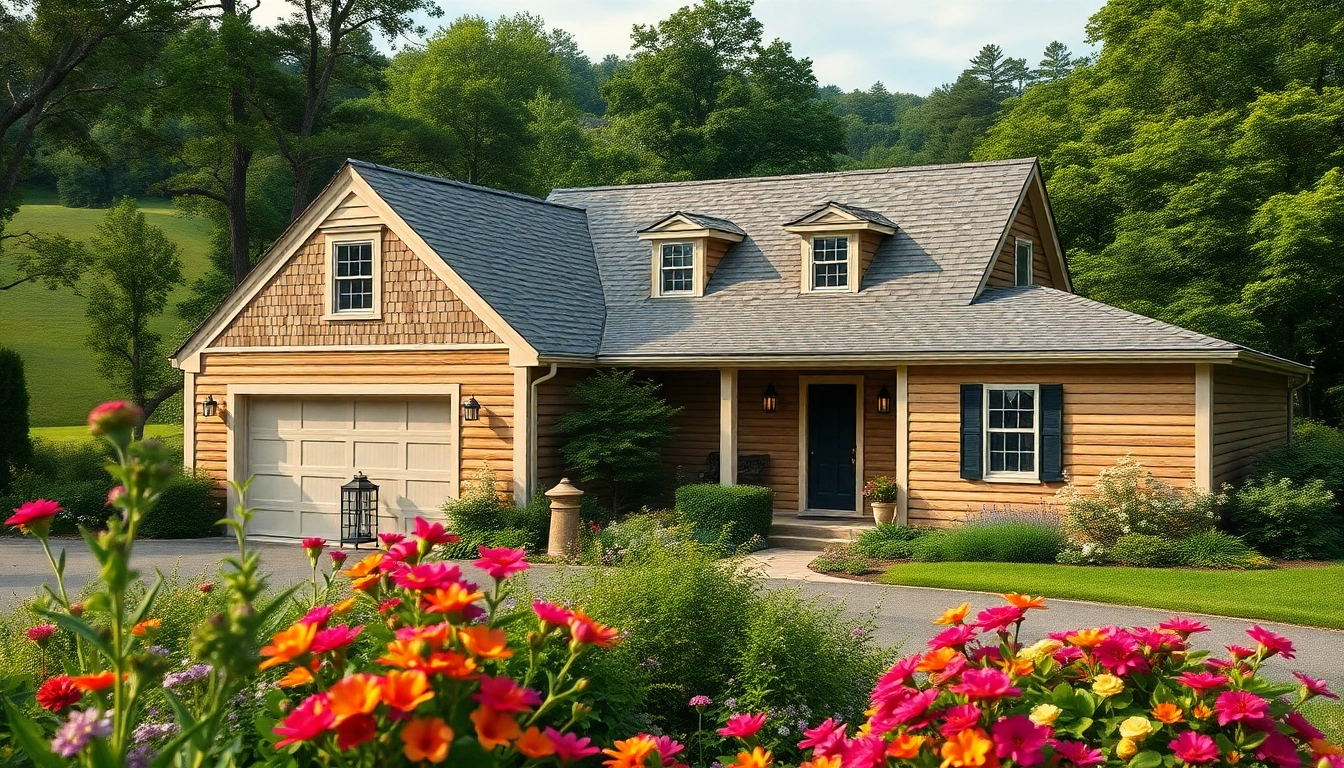
The history of Cape Cod homes dates back to the early 17th century, originating from the New England area. These homes were designed to withstand the region’s harsh weather conditions, featuring steep roofs, dormer windows, and symmetrical facades. The classic double-pitched roof design served dual purposes: shedding heavy snowfall and providing more living space under a unified roof structure.
Originally made from locally sourced timber, these homes often highlighted the craftsmanship and resources available in the area. Over the years, they have adapted to various lifestyles while preserving the core attributes that make them so beloved today.
Architectural Features and Styles
The architectural style of Cape Cod homes embodies simplicity and functionality. Key features include:
- Steep roofs: Typically pitched at 12:12, designed for heavy snowfall.
- Symmetrical facades: Balanced and proportional appearances that evoke a sense of harmony.
- Dormer windows: Adding light and height to attic spaces while promoting ventilation.
- Chimneys: Often centrally located, they enhance the aesthetic appeal and provide practical purposes.
- Wood siding: Historically, clapboard siding made from cedar or pine remains popular due to its weather resistance.
Regional Variations in Cape Cod Homes
From Massachusetts to the Mid-Atlantic and even as far south as the Carolinas, Cape Cod homes exhibit regional characteristics. For instance:
- Massachusetts: The traditional model with wood siding and steep roofs due to the colder climate.
- Virginia: Variations often include brick exteriors and wider eaves.
- Florida: Sunny regions favor lighter colors and include elements to combat humidity.
Planning Your Renovation
Deciding to renovate your Cape Cod home requires careful planning to ensure that modern demands are met while preserving authentic characteristics. Below, we explore essential considerations in this process.
Setting Goals for Your Cape Cod Home
Begin by defining what you want to achieve with your renovation. Are you looking for more space, increased energy efficiency, or simply an updated aesthetic? Perhaps you wish to enhance the home’s historical features. A clear set of goals will guide your design and construction decisions.
Budgeting and Timeline Considerations
Your renovation budget should encompass all anticipated costs, including structural changes, materials, and labor. Generally, it’s advisable to set aside at least 10-20% of your total budget for unexpected expenses. Develop a detailed timeline for your project, ensuring that it allows for weather delays and coordinating with contractors.
Key Design Elements for Renovation
When planning your renovation, consider blending contemporary design with traditional accents. Integrating modern amenities like energy-efficient windows and smart home technology can enhance functionality without diluting the home’s historic charm. Prioritize quality materials and craftsmanship that align with the home’s character.
Enhancing Your Home’s Exterior
The exterior of a Cape Cod home is where the traditional charm can be maintained or enhanced. Careful choices about features like siding, landscaping, and garage additions can significantly improve curb appeal.
Choosing Siding Materials for Cape Cod Homes
When selecting siding, consider materials that maintain the historic look while providing durability. Options like cedar shingles or clapboard are traditional choices, while vinyl siding can mimic these styles in a more low-maintenance format. Always consider colors that reflect coastal heritage, such as soft blues, whites, and grays.
Landscaping Ideas That Complement the Design
A well-planned landscape contributes significantly to the overall aesthetic of Cape Cod homes. Incorporate native plants, low-maintenance perennials, and ornamental grasses to create a harmonious design. Pathways, stone walls, and seasonal flowerbeds can boost the charm while enhancing accessibility.
Adding Modern Garages Without Losing Charm
Integrating a garage into your Cape Cod home should be done thoughtfully. Consider options like attached garages that seamlessly blend with the existing home or detached garages that mimic historic outbuilding styles. Use materials and colors consistent with your home for a cohesive look.
Interior Transformations for Cape Cod Homes
Transforming the interior of a Cape Cod home involves striking a balance between modernity and tradition. Key aspects to consider include layout, preserved details, and sustainable practices.
Open Concept Living Spaces
Creating open concept layouts can significantly enhance the livability of your Cape Cod home. Removing unnecessary walls can foster a sense of spaciousness and connection, making it perfect for family-oriented environments. This layout also allows for better natural light flow, which is essential in maintaining the inviting charm of your home.
Preserving Historical Details While Upgrading
When renovating, aim to preserve original architectural details such as moldings, fireplace mantles, and built-in cabinetry. These features tell the story of your home and can be enhanced with modern updates like better lighting fixtures or smart home integrations that elevate functionality without compromising character.
Sustainable Materials and Practices
Incorporating sustainable materials into your renovation can drastically improve energy efficiency while respecting the environment. Use reclaimed wood, energy-efficient windows, and sustainable insulation materials to enhance the home’s efficiency. Additionally, consider installing solar panels to offset energy needs, especially beneficial for coastal areas.
Maintaining Your Cape Cod Home After Renovation
Post-renovation care is crucial for preserving the charm and integrity of your Cape Cod home. Maintenance routines tailored to the specific features and materials of your home will help ensure longevity.
Routine Maintenance Tips for Longevity
Regular maintenance checks are essential. Schedule annual inspections of the roof, siding, windows, and doors. Address any signs of moisture, rot, or pest damage immediately to prevent further issues. Regular painting or staining of siding can also protect from the elements.
Seasonal Care Strategies for Cape Cod Homes
Seasonal changes impact maintenance needs significantly. In fall, clear gutters and prepare gardens for winter. In spring, inspect the home for winter damage and refresh landscaping. During summer, focus on cooling and ventilation improvements. Each season offers unique opportunities for upkeep.
Enhancing Energy Efficiency Post-Renovation
After renovations, look for ways to enhance energy efficiency further. Upgrading heating and cooling systems, improving insulation, and sealing air leaks can maximize energy savings. Consider utilizing smart thermostats and energy monitoring systems to optimize consumption.
FAQs about Cape Cod Homes
What makes Cape Cod homes unique?
Cape Cod homes are known for their steep roofs, symmetrical facades, and historical craftsmanship, reflecting their colonial roots.
How can I modernize my Cape Cod home?
Modernizing can involve open layouts, energy-efficient appliances, and blending contemporary materials with classic design elements.
What materials are best for Cape Cod homes?
Quality wood for siding, energy-efficient windows, and sustainable materials like reclaimed wood are excellent choices.
How do I maintain my Cape Cod home’s exterior?
Regularly inspect and repair siding, gutters, and roofing, and repaint or stain as needed to combat weather wear.
What renovations add value to Cape Cod homes?
Renovations like kitchen upgrades, adding bathrooms, and enhancing energy efficiency are effective for boosting value.