Understanding the Image to 3D Process
The transition from 2D images to 3D models has rapidly evolved thanks to advancements in technology. The process of converting images to 3D models, commonly referred to as Image to 3D, enables creators across various industries to enhance visual storytelling, manufacturing, and design. This comprehensive overview delves into the intricacies of this transformative process, providing insights into its applications, tools, and best practices.
What is Image to 3D Conversion?
Image to 3D conversion involves transforming two-dimensional images—such as photographs, sketches, or illustrations—into three-dimensional digital models. This process utilizes various algorithms and software that analyze the visual data of 2D images and reconstruct them into 3D representations. These 3D models can then be used for a variety of applications, including gaming, animation, product design, and 3D printing.
The Technology Behind 3D Modeling
The technology that enables image to 3D conversion encompasses several methodologies, including photogrammetry, machine learning, and AI-driven algorithms. Photogrammetry analyzes multiple images taken from different angles to create a 3D model, while machine learning algorithms improve the accuracy and detail of the models generated from single images. Recent advancements in deep learning have also made it possible for software to understand depth and texture, resulting in highly realistic 3D models from simple 2D images.
Applications of Image to 3D in Various Industries
Image to 3D conversion finds its utility across many sectors:
- Gaming and Animation: Developers use 3D models to create immersive environments and characters, enhancing the gaming experience.
- Product Design: Designers can visualize prototypes and models before physical production, streamlining the design process.
- Healthcare: Medical imaging technologies rely on creating 3D models from 2D scans for better diagnosis and surgical planning.
- Marketing: Businesses leverage 3D models for product visualization in advertisements, improving consumer engagement.
Choosing the Right Tools for Image to 3D
With the growing demand for 3D modeling, a plethora of tools are available, each catering to different needs and expertise levels. Choosing the right software is crucial for achieving the desired results efficiently.
Top Software Options for Designers
Some of the most popular software options for image to 3D conversion include:
- Meshy AI: Known for its user-friendly interface, allowing users to convert images effortlessly into detailed 3D models.
- Sloyd AI: A versatile tool that supports both photo and sketch uploads, generating textured 3D models suitable for various applications.
- Tripo AI: Focused on speed and ease of use, perfect for beginners or those needing quick model generation.
- HexaGen: Free online tool that allows users to upload a single image or multiple angles to create realistic 3D models instantly.
Comparing Features: Free vs. Paid Tools
When selecting the best tool for image to 3D conversion, it’s essential to weigh the advantages of free versus paid software. Free tools often provide basic features suitable for amateurs or hobbyists but may lack advanced functions such as high-resolution textures or extensive customization options. Conversely, paid tools typically offer a wider range of features, customer support, and specialized capabilities, making them ideal for professionals.
Integrating Image to 3D into Your Workflow
To optimize your design or production workflow, integrating image to 3D tools effectively is key. Consider the following strategies:
- Assess Your Needs: Determine the specific requirements of your projects to select the most suitable software.
- Train Your Team: Ensure that team members are adequately trained in using the selected tools to maximize productivity.
- Collaborate with Other Software: Look for tools that offer compatibility with other design and CAD software to streamline the workflow.
Best Practices for Effective Image to 3D Conversion
Achieving high-quality 3D models from 2D images requires a strategic approach. Here are some best practices to consider:
Preparing Your Images for Best Results
The quality of the input image significantly impacts the output 3D model. To enhance your chances of success:
- Use high-resolution images to capture details.
- Ensure proper lighting and contrast to clarify shapes and shadows.
- Choose images with simple backgrounds to minimize noise in the conversion process.
Common Pitfalls and How to Avoid Them
When converting images to 3D, it’s essential to be aware of common challenges that may arise:
- Inaccurate Depth Perception: Avoid using flat images that lack depth cues; providing multiple angle images can mitigate this issue.
- Over-Complex Images: Simplify images with excessive detail, which can confuse the algorithms and result in poor-quality models.
- Neglecting Texture Mapping: Incorporate texture mapping to enhance the realism of your models.
Tips from Industry Professionals
Glean insights from seasoned professionals who frequently engage in image to 3D conversions:
- Experiment with various software to find which aligns best with your specific projects.
- Continuously update your skills with the latest tools and techniques in 3D modeling.
- Join online communities to share experiences and learn from others in the industry.
Real-World Applications of Image to 3D
The versatility of image to 3D technology allows it to solve a range of creative and practical problems. Here, we explore some specific case studies and applications.
Case Study: Successful Projects in Product Design
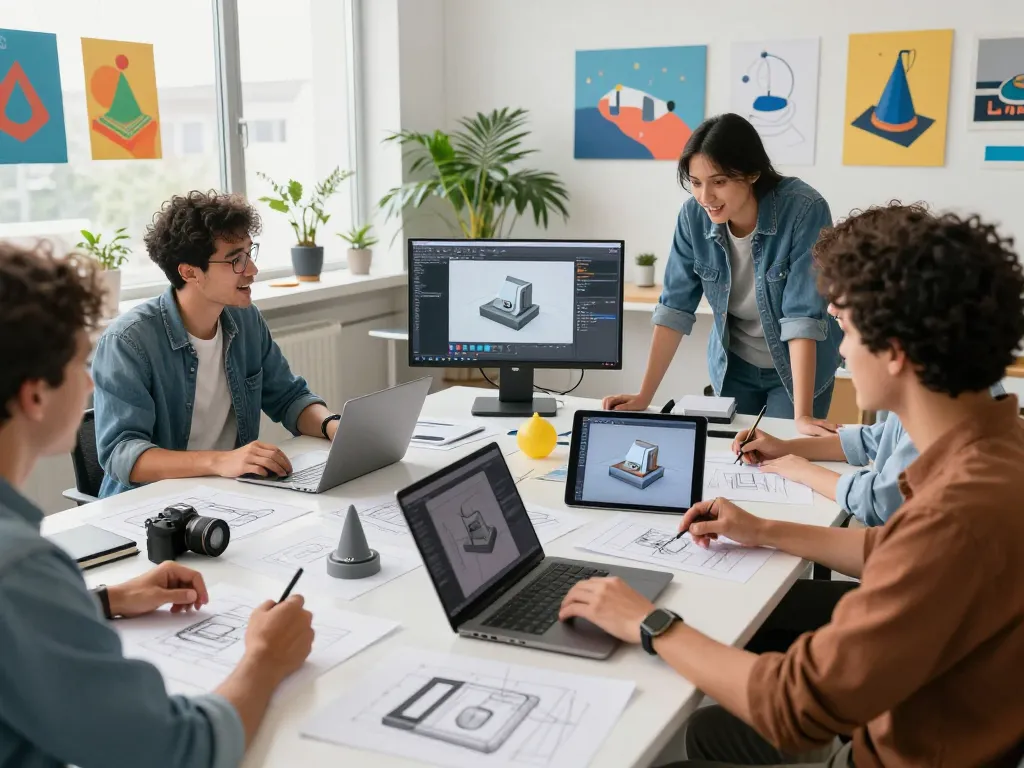
Consider a footwear company that utilized image to 3D conversion to develop a new line of shoes. By inputting sketches and design ideas into a 3D modeling tool, the design team was able to swiftly visualize prototypes. This approach not only accelerated the design process but also enhanced collaboration between designers and marketers who could visualize the product before it went to production.
Image to 3D in Gaming and Animation
In the gaming industry, developers increasingly use 3D modeling from images to create lifelike characters and immersive environments. For instance, a major gaming studio integrated 2D concept art directly into their 3D engine. This streamlined workflow significantly reduced the time taken to develop assets, allowing them to launch their games more effectively.
The Future of 3D Marketing Strategies
Businesses are leveraging image to 3D technology for innovative marketing strategies. Brands are using 3D models in advertisements to allow clients interactive experiences with their products—significantly improving consumer engagement and conversion rates. For example, furniture retailers now offer virtual showrooms where customers can visualize how items would look in their environments through augmented reality.
Trends and Innovations in Image to 3D Technology
As technology continues to advance rapidly, staying abreast of the latest trends in image to 3D is essential for creators and businesses alike.
The Future of AI in 3D Modeling
Artificial Intelligence is set to revolutionize the image to 3D conversion process, providing automated solutions that yield higher accuracy. AI-driven tools can learn from vast datasets and improve the quality of 3D models generated from 2D images, leading to unprecedented levels of detail and realism.
Predictions for Image to 3D in 2026 and Beyond
Looking towards 2026, we can expect further integration of image to 3D technologies into various sectors. More industries will adopt streamlined workflows as manufacturers and designers learn to leverage these tools to increase productivity and reduce costs. Enhanced models will also become essential for augmented reality and virtual reality applications as immersive experiences continue to dominate the market.
How to Stay Ahead in the Evolving 3D Landscape
To remain competitive in the ever-evolving 3D landscape, it is crucial to:
- Invest in ongoing education and training to harness the latest advancements in technology.
- Network with other professionals to share knowledge and resources.
- Experiment with emerging tools that enhance the image to 3D process.
What is the best software for Image to 3D?
The best software often depends on the user’s specific needs, budget, and expertise. Options like Meshy AI and Sloyd AI are highly regarded for their user-friendly interfaces and extensive features. Professionals might prefer more robust tools with advanced capabilities for precise modeling.
Can I convert images to 3D for free?
Yes, there are several free tools available for converting images to 3D models. However, while they enable basic conversions, their features may be limited compared to paid versions, which often provide enhanced functionality.
What industries benefit most from Image to 3D?
Industries such as gaming, product design, automotive, and healthcare can benefit immensely from image to 3D technology. Its applications range from creating immersive environments in games to improving prototyping processes in manufacturing.
How does AI improve the Image to 3D process?
AI enhances the accuracy and efficiency of converting images to 3D by automating complex calculations and improving modeling precision. It can analyze image data more intelligently, resulting in higher quality outputs with less manual intervention.
What are the main challenges in Image to 3D conversion?
Common challenges include achieving accurate depth perception, dealing with image quality issues, and managing complexities in designs. Knowing these challenges can help users better prepare and adapt when utilizing 3D conversion tools.