Understanding Colonial Home Construction
Colonial home construction represents a distinctive architectural legacy that resonates with homeowners seeking both aesthetic charm and historical significance. These homes, characterized by their symmetrical façades and timeless design, evoke a sense of nostalgia that transcends generations. For those interested in embarking on a journey to build or renovate a colonial home, understanding the intricacies of colonial home construction is paramount. This comprehensive guide delves into the history, design elements, construction process, interior design, and maintenance of colonial homes, providing valuable insights to make your dream home a reality.
History and Characteristics of Colonial Homes
The history of colonial homes dates back to the 1600s, when European settlers brought their architectural traditions to the New World. Primarily influenced by English, Dutch, French, and Spanish styles, these homes embodied the cultural and historical context of their time. Colonial homes generally feature steep gable roofs, brick or wooden siding, and chimneys that symbolize the practical aspects of early American living.
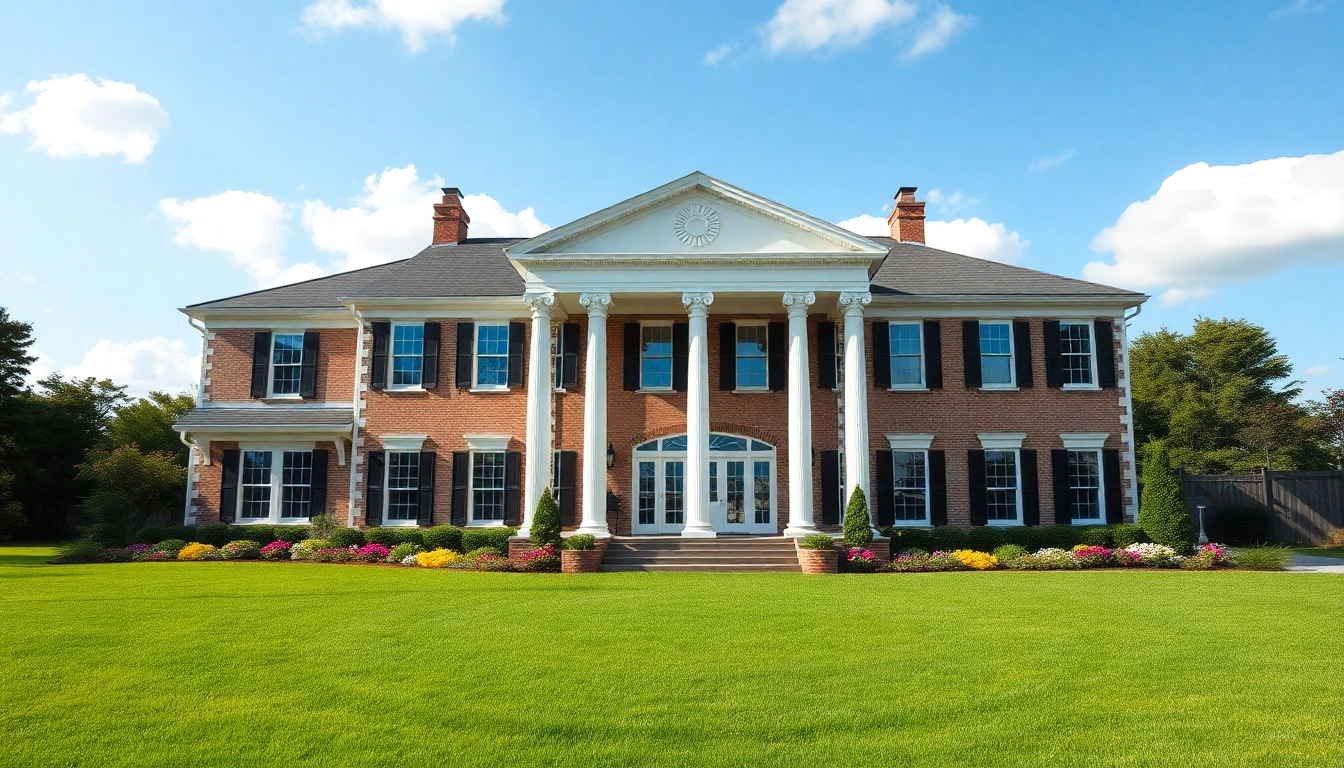
Colonial design is characterized by rectangular shapes and a focus on symmetry. The central front door is often flanked by even numbers of windows, creating a balanced appearance. Many colonial homes also include distinctive rooflines, dormers, and decorative moldings that enhance their historical charm. Features such as clapboard siding, wide porches, and double-hung windows serve both functional and aesthetic purposes, making colonial homes immensely popular to this day.
Key Elements of Colonial Home Design
In designing a colonial home, several key elements should be considered to ensure authenticity and functionality:
- Symmetry: Colonial homes are renowned for their balanced architecture, where the façade is evenly divided around the center door.
- Materials: Traditionally, colonial homes used materials like wood, brick, and stone. Modern interpretations may incorporate newer materials while maintaining the classic look.
- Roof Design: Gable roofs are prevalent, often with dormer windows providing additional light and ventilation.
- Windows: Multipane, double-hung windows contribute to the home’s airflow and period authenticity, typically arranged symmetrically.
- Chimneys: Prominent chimneys, either central or on the sides, are a defining feature, reflecting the colonial era’s reliance on fireplaces for heating.
Types of Colonial Home Styles
Colonial architecture encompasses various styles, each with unique characteristics:
- Georgian: Featuring symmetrical shapes and classical details, Georgian homes often have grand porticoes and brick exteriors.
- Federal: This style is marked by elegant symmetry and decorative elements, such as fanlight windows and intricate moldings.
- Cape Cod: Originating from New England, Cape Cod homes are simple, one to one-and-a-half stories with steep roofs and dormer windows.
- Dutch Colonial: Recognized by their gambrel roofs and flared eaves, Dutch Colonial homes often feature large porches and rich, wooden textures.
- Colonial Revival: A late 19th-century movement that reinterpreted traditional colonial styles, often incorporating modern conveniences.
Planning Your Colonial Home Construction
Building a colonial home requires careful planning, from budgeting to location selection. Understanding the various stages in the planning process is essential for a smooth construction journey.
Setting a Budget for Your Project
The first step in constructing a colonial home is setting a realistic budget. Consider all aspects of construction, including land acquisition, materials, labor, and permits. Typically, colonial homes may require additional funds for quality materials to maintain structural integrity and aesthetic appeal. To help manage costs effectively:
- Conduct thorough market research to understand average construction costs in your area.
- Factor in contingencies for unexpected expenses, typically around 10%-20% of your total budget.
- Consult with a financial advisor or a home construction expert to create a comprehensive budget.
Choosing the Right Location
Location is critical for both the enjoyment of your colonial home and its long-term value. Consider factors such as:
- Accessibility: Ensure the location provides easy access to schools, workplaces, and shopping areas.
- Site Conditions: Evaluate the site’s topography, drainage, and proximity to utilities to avoid construction challenges.
- Neighborhood Character: Choose a neighborhood with compatible architecture to maintain the historical integrity of your colonial home.
Hiring Qualified Professionals
Engaging experienced professionals is vital in the construction of your colonial home. Seek out architects, builders, and contractors with a solid reputation in colonial home construction. When selecting professionals:
- Check references and previous work to gauge their expertise in colonial architecture.
- Ensure relevant licenses and insurance are in place to protect against any liabilities during the construction process.
- Communicate your vision clearly to align expectations and design plans effectively.
Construction Process of Colonial Homes
The construction process for colonial homes involves several critical stages, each requiring attention to detail to ensure the final product meets the desired standards.
Foundation and Framing Techniques
The foundation is a pivotal element in any home construction. For colonial homes, poured concrete or masonry foundations are typically recommended to provide stability. Considerations during this stage include:
- Ensure accurate site preparation, including excavation and grading to facilitate proper drainage.
- Adopt framing techniques that uphold the home’s historical characteristics while accommodating modern building codes.
Utilizing Quality Materials
The selection of materials is particularly crucial in colonial home construction. Opting for high-quality materials can enhance durability and aesthetic appeal. Key materials to consider include:
- Wood: Utilize hardwoods for structural components, as they offer longevity and classic appeal.
- Brick: For exteriors, brick can provide a timeless look and reduce maintenance needs.
- Roofing Materials: Use high-quality shingles or slate to mirror authentically colonial aesthetics while ensuring reliability.
Inspection and Safety Protocols
Regular inspections throughout the construction process are essential for adherence to safety protocols and quality assurance. Key inspections include:
- Foundation inspections to confirm stability and positioning.
- Framing inspections to ensure that all structural elements are constructed to code.
- Final walk-through inspections to assess the completed work against the original designs.
Interior Design for Colonial Homes
The interior of a colonial home is just as significant as its exterior. By combining classic elements with modern conveniences, homeowners can achieve a timeless yet functional space.
Classic Interior Features
Colonial interiors typically exhibit elements that reflect the home’s historical roots, such as:
- Fireplaces: Often the central feature in colonial homes, fireplaces serve both practical and aesthetic purposes.
- Built-ins: Custom shelving, cabinetry, and other built-in features help maximize space and enhance functionality.
- Crown Molding: Decorative trim enhances ceilings and walls, adding significant character to interiors.
Modern Innovations in Colonial Interiors
Blending modern innovations with classic elements has become increasingly popular. Consider implementing:
- Smart Home Technology: Integrate smart thermostats, lighting systems, and security features that offer convenience without compromising style.
- Open Floor Plans: While traditional colonial homes feature distinct rooms, open floor plans or combined spaces can enhance flow and functionality.
- Contemporary Color Palettes: While maintaining traditional exterior colors, consider modern hues for interiors to create lively spaces.
Creating Functional Spaces
Colonial homes often prioritize creating functional spaces that accommodate modern living while retaining charm. Tips include:
- Design multi-functional rooms that serve various purposes, such as combining an office and guest room.
- Utilize open shelving in kitchens for aesthetic appeal and easy access while maintaining organization.
- Incorporate outdoor access from living spaces to enhance the connection between indoors and outdoors.
Maintenance and Care of Colonial Homes
Proper maintenance is essential for preserving the integrity and beauty of colonial homes. Regular upkeep can prevent costly repairs and ensure longevity.
Common Issues to Watch For
Colonial homes may present specific issues over time, including:
- Moisture Damage: Regularly inspect for leaks or water damage in the roofing and foundation.
- Pest Infestations: Be vigilant for common pests that might compromise structural integrity.
- Paint and Siding Degradation: Maintain paint and siding to prevent rotting or fading.
Preserving Historical Features
To preserve the unique historical character of colonial homes, consider:
- Restoring original woodwork and architectural details when making renovations.
- Avoiding the use of modern materials that clash with traditional aesthetics.
- Researching restoration practices that align with historical preservation guidelines.
Seasonal Maintenance Tips
Seasonal maintenance tasks are vital for the longevity of colonial homes. Recommended tasks include:
- Spring: Inspect and clean gutters, ensuring water flows freely away from the foundation.
- Summer: Check exterior paint for peeling or cracking and make necessary repairs.
- Fall: Prepare the home for winter by sealing cracks and ensuring heating systems are functional.
- Winter: Regularly monitor for ice dams on roofs and take preventive measures.
Frequently Asked Questions
What are the primary features of colonial homes?
Colonial homes typically feature symmetry, gable roofs, double-hung windows, and central chimneys. Decorative trims and classic materials enhance their timeless appeal.
How do I choose the right design for my colonial home?
Consider your personal style, the historical context of the area, and practicality when selecting a design. Consult with professionals to integrate modern amenities.
What type of foundation is best for colonial homes?
Poured concrete or masonry foundations are recommended for colonial homes due to their durability and stability, which support the weight of traditional structures.
How often should I maintain my colonial home’s exterior?
Inspect the exterior at least twice a year, focusing on paint, siding, and roofing. Address any issues promptly to prevent significant damage.
Can I modernize a colonial home without losing its heritage?
Yes, you can modernize while preserving heritage by maintaining classic features and using contemporary materials that enhance rather than detract from the original design.