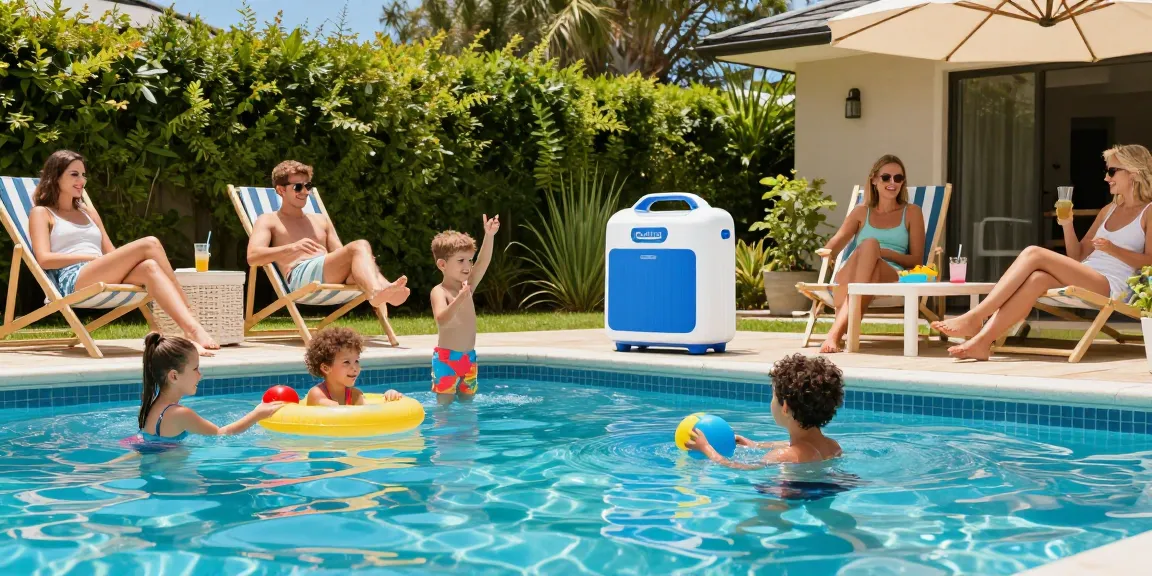
The Importance of Pool Chlorination in Australia
Maintaining a clean and safe swimming pool is essential for enjoying the Australian sun and keeping your family healthy. Chlorination plays a vital role in effective pool maintenance, ensuring that the water is sanitized and free from harmful bacteria. This is especially important in a country like Australia, where temperatures can soar, and pools are used frequently. Many pool owners look for reliable solutions that simplify the upkeep of their pools, which is where modern chlorinators come into play. When exploring options, Best Pool Chlorinators in Australia provides comprehensive insights into the best systems available for your pool.
Understanding Chlorination Fundamentals
Chlorination is the process of adding chlorine to water, which eliminates bacteria, viruses, and algae. This chemical reaction transforms chlorine into hypochlorous acid, effectively sanitizing the pool. In Australia, standard practices include either manually adding chlorine or using automatic pool chlorinators, especially in saltwater pools. The automatic systems utilize salt to generate chlorine, minimizing manual labor and ensuring consistent sanitation levels.
Health Benefits of Clean Pool Water
Clean, chlorinated water is crucial for preventing illnesses caused by pathogens that can proliferate in untreated water. With recent concerns over waterborne diseases, it’s more important than ever for pool owners to ensure their pools are properly chlorinated. Regular maintenance of chlorine levels not only safeguards health but also enhances the overall swimming experience. Users often report that swimming in a well-maintained pool feels more refreshing and is easier on the skin.
Common Pool Maintenance Misconceptions
Many pool owners hold misconceptions about pool maintenance and chlorination. One common belief is that chlorination alone is sufficient for keeping a pool clean. While it is vital, other factors such as pH balance, alkalinity, and regular cleaning also play crucial roles. Additionally, some people think that saltwater pools do not require chlorine at all, which is untrue; saltwater systems generate their own chlorine and still require monitoring to ensure proper levels.
Types of Chlorinators Available
With a variety of chlorinators on the market, choosing the right system for your needs can be daunting. Understanding the different types and their functionalities is key to making an informed decision.
Salt Water vs. Traditional Chlorination
Saltwater chlorinators have gained immense popularity due to their ease of use and the softer feel of the water they produce. Unlike traditional systems that require manual addition of chlorine, saltwater chlorinators convert dissolved salt into chlorine as water passes through the cell. This not only reduces the need for handling harsh chemicals but also offers a more stable form of chlorine that is less irritating to eyes and skin.
Overview of K-Chlor Digital Gold Series Models
The K-Chlor Digital Gold Series is a standout option in the market, boasting several models, including KCHLOR KGS15, KGS20, KGS25, KGS30, KGS35, KGS50, KGS75, and KGS100. Each model caters to different pool sizes and chlorine production needs. All K-Chlor models feature advanced technology for reliable operation and are designed to withstand Australia’s unique climate conditions.
Choosing the Right Chlorinator for Your Pool Size
Selecting the appropriate chlorinator is essential for optimal pool maintenance. When deciding, consider the following:
- Pool Volume: Measure your pool’s volume in litres to find a chlorinator that can handle the output.
- Usage Frequency: Consider how often your pool is used to determine the amount of chlorine needed.
- Environmental Factors: Factors such as sunlight exposure and debris can affect chlorine demand.
How K-Chlor Chlorinators Stand Out
K-Chlor chlorinators are engineered for reliability and efficiency, making them a preferred choice among Australian pool owners.
Innovative Technology and Features
Each K-Chlor model integrates micro-controller technology that precisely monitors and adjusts chlorine output based on your pool’s requirements. The self-cleaning cell function minimizes maintenance and extends the life of the chlorinator, saving you time and money in the long run.
Warranty and Replacement Parts Overview
One of the significant advantages of K-Chlor chlorinators is their robust 5-year full warranty. This warranty reflects the manufacturer’s confidence in their product’s quality and longevity. Additionally, K-Chlor replacement cells are available, ensuring continued efficiency without the need for a complete system replacement.
Cost-Effective Maintenance with Replacement Cells
Over time, all chlorinator cells will need replacement. K-Chlor offers high-quality replacement cells compatible with their models, providing an economically smart solution compared to purchasing an entirely new chlorinator. This option allows pool owners to maintain effective sanitation without excessive expenditure.
Installation and Setup of Your Chlorinator
Installing a new chlorinator can significantly simplify pool maintenance, but proper installation is crucial for optimal performance.
Step-by-Step Installation Guide
- Choose an appropriate location for your chlorinator, ensuring easy access to your pool’s filtration system.
- Follow the supplied instructions carefully to connect the chlorinator to the appropriate plumbing.
- Set the chlorinator based on your pool’s specifications and the manufacturer’s guidelines.
Adjusting Settings for Optimal Performance
Once installed, regularly check and adjust settings based on pool usage and environmental factors. Maintaining the right chlorine level is essential to prevent issues like algae growth or unpleasant water conditions.
Common Installation Mistakes to Avoid
It’s easy to make errors during setup that can affect your chlorinator’s performance. Avoid these common mistakes:
- Improperly sizing the chlorinator for your pool volume.
- Neglecting to secure all plumbing connections, which can lead to leaks.
- Failing to read and follow the manufacturer’s installation instructions.
Future Trends in Pool Care Technology for 2026
As technology continues to advance, pool care and maintenance will see exciting developments in the coming years. Keeping an eye on these trends can help pool owners adapt and improve their maintenance practices.
Emerging Chlorination Technologies
Innovations in chlorination technologies, such as advancements in UV and ozone systems, are becoming more prevalent. These systems can complement or even replace traditional chlorination methods, providing additional sanitization options.
Impact of Environmental Regulations on Pool Chemistry
As environmental awareness increases, regulations surrounding chemical use in pools may tighten. Future products will likely focus on eco-friendly solutions that maintain sanitation while reducing chemical usage.
Predictions for DIY Pool Maintenance Advancements
DIY technologies are expected to come to the forefront, making it easier for pool owners to manage their maintenance tasks. Smart pool technology that integrates with home systems could soon allow users to monitor and control their pool chemistry remotely.
What Should You Look for in a Chlorinator?
When selecting a chlorinator, consider the following factors:
- Output capacity relative to your pool’s size.
- User-friendly features like digital displays and automation options.
- Durability of materials and reliability of the warranty.
How Long Do Chlorinators Typically Last?
Most chlorinators have an operational lifespan of approximately 5 to 10 years, primarily depending on usage and maintenance. Regular upkeep can significantly increase the lifespan of your chlorinator.
Can I Use a Chlorinator for My Inground Pool?
Absolutely! Chlorinators, particularly saltwater models, are highly effective for inground pools, providing consistent sanitation and a comfortable swimming environment.
What is the Best Pool Chlorinator for 2026?
While the “best” chlorinator can vary, K-Chlor models have consistently received high marks for reliability, ease of use, and effective chlorination. Their innovative features make them a top contender for pool owners looking to upgrade.
How Do I Maintain My Chlorinator for Longevity?
Regular maintenance is key to prolonging your chlorinator’s life. Ensure to clean the chlorinator cell periodically, check for calcium build-up, and monitor the chlorine output levels consistently.
Are K-Chlor Chlorinators User-Friendly?
Yes, K-Chlor chlorinators are designed with user-friendliness in mind. Clear instructions and intuitive controls make them accessible for both novice and experienced pool owners alike.