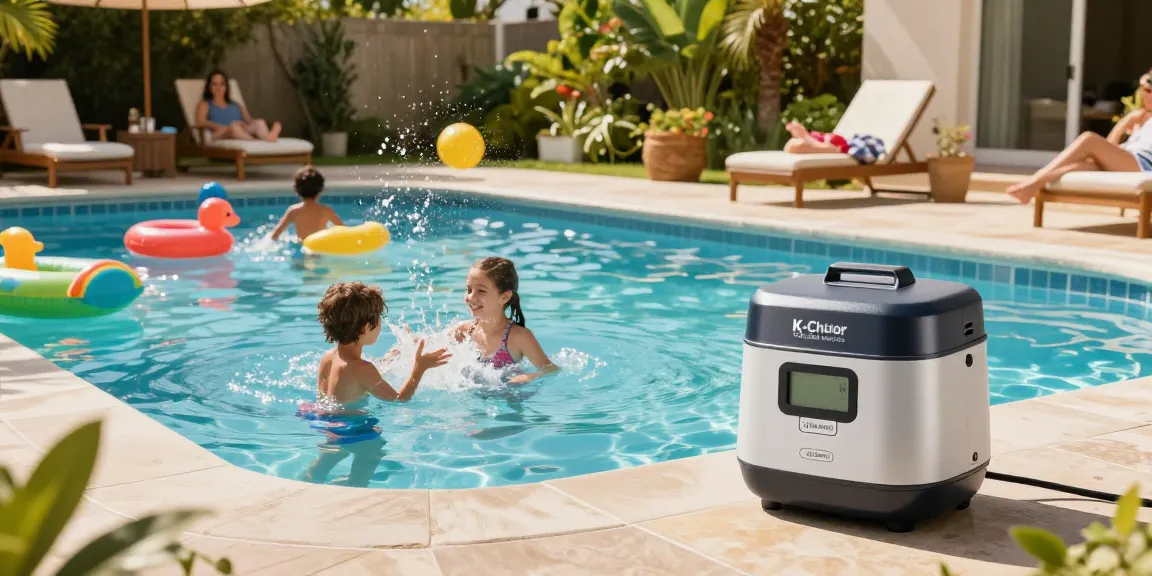
Understanding Chlorination: What Every Pool Owner Should Know
As a pool owner, maintaining a clean and safe swimming environment is paramount. Among the various methods of pool sanitation, chlorination remains the most popular and effective choice. This article aims to provide valuable insights into the science of chlorination, especially focusing on salt water chlorinators, their benefits, and how to choose the best chlorinator for inground pools. With increasing awareness about health and safety in swimming pools, understanding these systems is crucial for every pool enthusiast.
The Science Behind Salt Water Chlorinators
Salt water chlorinators work by converting dissolved salt in your pool water into chlorine through a process known as electrolysis. This method involves passing the salted water through a chlorinator cell, where an electrical current breaks down the sodium chloride (salt) into its elemental components. The chlorine produced is then used to sanitize the pool water, effectively killing bacteria, algae, and other harmful organisms. Unlike traditional methods, which require manual handling of chlorine, salt water chlorinators offer a more automated and consistent approach to pool sanitation.
Benefits of Using Chlorinators for Inground Pools
- Convenience: Automatic chlorine generation reduces the frequency of manual chemical addition.
- Cost-Effectiveness: Although the initial investment may be higher, long-term savings on chemical costs are significant.
- Water Quality: Salt water pools tend to have softer, more comfortable water that is gentle on skin and eyes.
- Consistent Chlorine Levels: Salt chlorinators maintain stable chlorine levels, preventing spikes that can occur with manual dosing.
Common Myths About Pool Chlorination
Despite the benefits, several misconceptions about pool chlorination persist. One common myth is that saltwater pools do not require any chlorine; however, they do produce chlorine, albeit in a safer, more controlled manner. Another myth is that saltwater pools are too corrosive and can damage pool equipment, when in reality, proper maintenance and equipment designed for saltwater use can mitigate these risks.
Choosing the Right Chlorinator for Your Inground Pool
When choosing a chlorinator, it’s essential to consider several factors to ensure you select the best chlorinator for inground pools. Each pool has unique requirements based on size, usage, and environmental conditions; therefore, understanding these needs is crucial before making a purchase. For comprehensive insights into various options available, the best chlorinator for inground pools is a resource worth exploring.
Key Features to Look For
Several key features should be prioritized when selecting a chlorinator. These include:
- Cell Design: Look for self-cleaning cells that extend the lifespan and require less maintenance.
- Capacity: Ensure the chlorinator is suitable for the size of your pool, taking into account how often you use it.
- Ease of Use: A user-friendly interface can make operation and adjustments straightforward, even for beginners.
- Energy Efficiency: Opt for models that provide efficient power usage to save on operational costs.
Comparing Different Brands and Models
When it comes to reputable brands, the K-Chlor Digital Gold Series stands out. For instance, models like the KCHLOR KGS15 and KGS100 are specifically designed to meet varying pool sizes and user preferences. Each model offers unique features tailored for optimal performance under Australian climatic conditions.
How to Match a Chlorinator to Your Pool Size
Matching the right chlorinator to your pool size is crucial for effective sanitation. Start by calculating your pool volume in liters, which will guide you to the appropriate chlorinator capacity. A good rule of thumb is to choose a chlorinator that can produce enough chlorine to handle your pool’s requirements, allowing for fluctuations in water usage throughout the season.
K-Chlor Digital Gold Series: A Top Choice in Australia
The K-Chlor Digital Gold Series has garnered a reputation for reliability and performance, making it a preferred choice among Australian pool owners. This series features several models tailored to suit different pool sizes and user needs, ensuring that there is an appropriate option for every situation.
Overview of K-Chlor Digital Gold Series Models
- KCHLOR KGS15: Ideal for smaller pools, this model offers efficient chlorine production while remaining compact.
- KCHLOR KGS30: A versatile option suitable for medium-sized pools, balancing power and efficiency.
- KCHLOR KGS100: Designed for larger pools, this model ensures high chlorine output and is built for heavy usage.
Performance and Reliability in Various Conditions
K-Chlor units are engineered to perform well even in challenging environments, such as those with high temperatures and humidity levels often experienced in Australia. Their robust design minimizes downtime and maximizes the user experience, making pool maintenance less of a chore.
Warranty and After-Sales Support Explained
One of the standout features of K-Chlor products is the generous 5-year full warranty that comes with every chlorinator. This warranty assures users of the product’s durability and the company’s commitment to quality. In addition to the warranty, customers also benefit from stellar after-sales support, ensuring peace of mind for years to come.
Maintenance Tips for Prolonging Chlorinator Lifespan
Regular maintenance is vital to prolonging the lifespan of your chlorinator. By following these tips, pool owners can ensure their system operates efficiently throughout its service life.
Regular Cleaning and Upkeep Procedures
Keeping the chlorinator clean is essential to prevent calcium buildup, which can impair its function. Regularly inspect and clean the cell according to the manufacturer’s guidelines to ensure optimal performance.
Recognizing Signs of Wear in Chlorinator Cells
Pay attention to any signs that your chlorinator cell may need replacement. These can include inconsistent chlorine levels, cloudy water, or visible damage to the cell. Being proactive can save you time and resources down the line.
When to Replace Your Chlorinator Cell
Most chlorinator cells will require replacement every 3-5 years, depending on usage and maintenance. Keeping track of your cell’s performance will help you anticipate when it might be time for a replacement, ensuring your pool remains clean and safe.
Future Trends in Pool Chlorination Technology
The pool chlorination industry is evolving, with new technologies emerging to enhance sanitation methods and user experience. Staying informed about these trends can help pool owners make better decisions regarding their equipment.
Emerging Innovations for 2026 and Beyond
In coming years, expect advancements in automated chlorination systems that integrate with smart home technology, allowing for remote monitoring and control. These innovations will enhance user convenience and provide additional safety features.
Environmental Considerations in Pool Maintenance
As sustainability becomes a priority, many chlorinator manufacturers are working on eco-friendly technologies that minimize chemical use while maintaining clean water. Pool owners can look forward to systems that require fewer resources and are better for the environment.
Consumer Preferences Shaping the Future of Chlorinators
As consumer demands evolve, manufacturers will likely adapt to offer more customizable chlorination solutions that cater to individual preferences concerning performance, efficiency, and pricing. This adaptability ensures that the best pool chlorinators stay relevant in a competitive market.
What is the best chlorinator for inground pools?
The best chlorinator largely depends on your specific pool requirements, such as size and frequency of use. The K-Chlor Digital Gold Series offers a range of models that cater to various pool sizes and conditions, ensuring that you have a reliable and effective system.
How do I maintain my pool chlorinator?
Regular maintenance involves cleaning the chlorinator cell, monitoring chlorine levels, and being aware of any wear signs that may indicate the need for a cell replacement.
What are the signs I need to replace my chlorinator cell?
Common signs include fluctuating chlorine levels, cloudy pool water, or physical signs of wear on the chlorinator cell itself. Prompt attention to these indicators can help maintain pool cleanliness.
Are K-Chlor chlorinators compatible with all pool sizes?
K-Chlor offers various models designed for different pool sizes, making it easier for owners to find a compatible chlorinator that meets their specific needs.
How can I improve the efficiency of my chlorinator?
To improve efficiency, ensure regular maintenance, keep the chemical balance of your pool in check, and clean the chlorinator cell as recommended by the manufacturer.