Understanding Roofing Needs in South Jersey
When it comes to maintaining a home in South jersey, the roof is one of the most crucial components. It serves as the first line of defense against the elements, safeguarding your investment and contributing to your home’s overall aesthetics. Understanding your roofing needs involves recognizing the types of roofs common to the area, how local weather patterns can impact roofing materials, and the importance of identifying damage early.
Common Roofing Types in South Jersey
In South Jersey, homeowners have a variety of roofing materials to choose from, each with its unique advantages. The most common types include:
- Asphalt Shingles: This is the most prevalent roofing material in South jersey. They are affordable, easy to install, and available in a range of colors and styles.
- Metal Roofing: Known for its durability, metal roofing has gained popularity in recent years. It can withstand harsh weather conditions and is energy efficient.
- Slate Roofing: While more expensive, slate roofs offer unmatched longevity and aesthetic appeal, making them a popular choice for upscale homes.
- TPO and PVC: These are increasingly used for flat roofs, particularly in commercial buildings.
Weather Considerations for South Jersey Homes
The climate in South Jersey can be quite variable, which directly impacts roofing choices. With hot summers and cold winters, roofs need to be able to withstand temperature fluctuations and precipitation. Asphalt shingles might buckle under extreme heat, while metal roofs might expand and contract. Choosing a roof that can handle both ends of the spectrum is key to ensuring longevity.
Identifying Roof Damage Early
Homeowners should be vigilant in monitoring their roofs for signs of damage. The following are common indicators of roof issues:
- Missing or Damaged Shingles: Inspect your roof regularly for shingles that are cracked, curling, or missing altogether.
- Leaking: Water stains on ceilings or walls can indicate a roof leak that needs immediate attention.
- Granule Loss: The presence of granules in gutters can signify shingle wear.
Choosing the Right Roofing Materials
Once you’ve established an understanding of your roofing needs, the next step is to select the appropriate materials suitable for your home in South Jersey.
Popular Roofing Materials for South Jersey
Choosing the right roofing material depends on several factors, including cost, climate, and personal preference. The following materials are popular in the region:
- Asphalt Shingles: Cost-effective with a diverse aesthetic appeal, these shingles are the most popular choice among homeowners.
- Wood Shakes: Often chosen for their natural beauty, wood shakes can require more maintenance but add architectural interest.
- Metal Roofing: This material is becoming increasingly popular due to its long lifespan and energy efficiency.
Material Longevity and Maintenance
Roofing material longevity varies and plays a critical role in total cost over time. For example:
- Asphalt shingles generally last 15 to 30 years, depending on quality and environmental factors.
- Metal roofs can last 40 years or longer when properly maintained.
- Slate roofs can exceed 100 years, making them an attractive investment despite their initial cost.
Eco-Friendly Roofing Options in South Jersey
With an increasing emphasis on sustainability, eco-friendly roofs are becoming more popular. Consider options such as:
- Green Roofs: These living roofs incorporate vegetation, providing insulation and improving air quality.
- Recycled Materials: Rooftop materials made from recycled products can reduce environmental impact.
Finding Reliable Roofing Contractors
Once you have selected your roofing materials, finding a reliable contractor is next. Not all contractors are created equal, so it is important to know what to look for.
Qualities of a Good Roofing Contractor
A reputable roofing contractor in South Jersey should possess the following qualities:
- Experience: Look for contractors who have a proven track record in the industry.
- Reviews and References: Positive customer feedback can be a good indicator of quality work.
- Insurance and Licensing: Always choose contractors who are licensed and insured to protect yourself during the project.
Questions to Ask Potential Contractors
A well-structured interview can aid in selecting the right contractor. Key questions include:
- What is your roofing experience?
- Can you provide references or examples of previous work?
- What warranties do you offer on materials and workmanship?
Evaluating Contractor Estimates Effectively
When you receive estimates from contractors, evaluate them thoroughly. Make sure they include:
- Itemized lists of materials used.
- Labor costs.
- Estimated timelines for project completion.
Roof Installation and Repair Processes
Understanding the roof installation and repair processes can help homeowners be more informed and engaged in their roofing projects.
Steps in Professional Roof Installation
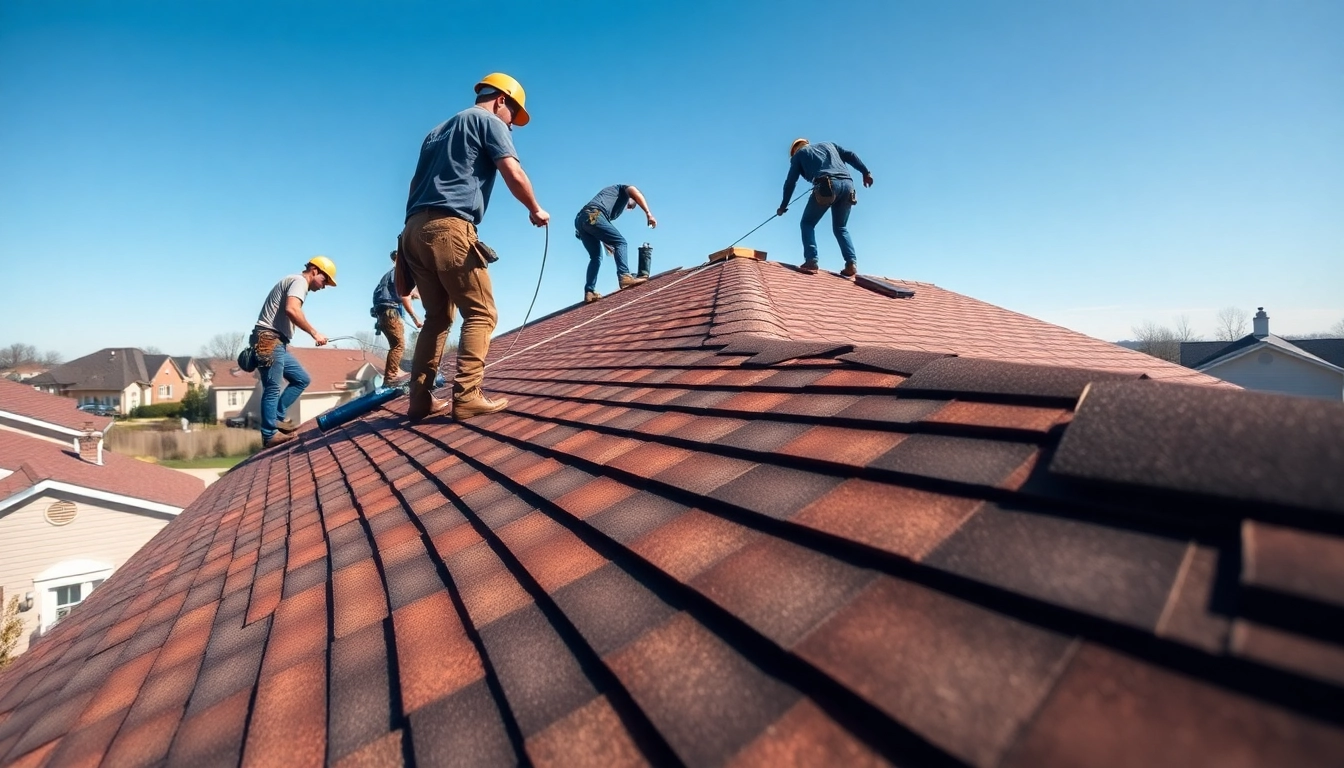
The roof installation process typically involves the following stages:
- Preparation: This includes assessing the existing roof condition and removing old materials.
- Installation: The new roofing materials are installed according to manufacturer specifications.
- Cleanup: After installation, contractors should clean the work area, ensuring no debris is left behind.
Common Repairs Needed for South Jersey Roofs
Regular maintenance can prevent costly repairs. Common issues include:
- Leak Repairs: Addressing leaks immediately can prevent further water damage.
- Shingle Replacement: Replacing damaged shingles can preserve the roof’s integrity.
Post-Installation Inspections and Care
After your roof is installed, routine inspections are essential for maintaining its condition. Consider implementing a regular schedule for professional evaluations, especially following severe weather.
Frequently Asked Questions About Roofing in South Jersey
How often should I inspect my roof?
It’s advisable to inspect your roof at least twice a year and after heavy storms to identify any potential damage early.
What are the signs of a failing roof?
Signs include missing or damaged shingles, water stains on ceilings, excessive granule loss in gutters, and sagging areas.
Can I repair my roof myself?
While minor repairs can often be DIY projects, major issues should be handled by professionals to ensure safety and quality.
What is the average lifespan of a roof?
The average lifespan varies by material— asphalt shingles last about 15-30 years, while metal and slate can last 40 years or more.
How can I improve my roof’s energy efficiency?
Consider installing reflective roofing materials, enhancing insulation, and ensuring proper ventilation to improve energy efficiency.