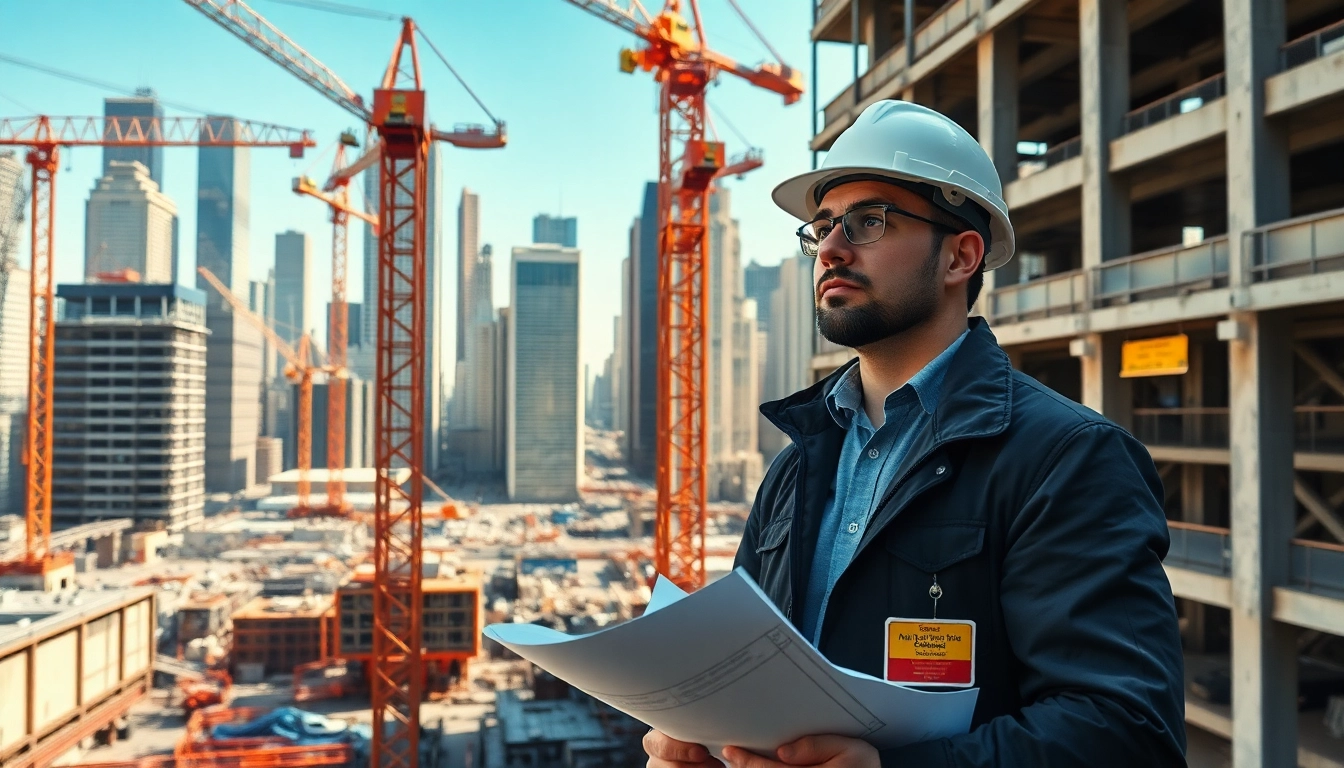
Understanding the Role of a New York City Construction Manager
Key Responsibilities and Duties
The role of a New York City Construction Manager encompasses a wide array of responsibilities that are critical for the successful execution of construction projects. One of the primary duties includes project planning and scheduling, where the manager develops timelines, assigns tasks, and allocates resources effectively. This involves creating a comprehensive project plan that adheres to timelines without compromising quality.
Moreover, overseeing the construction process is a vital responsibility. A construction manager must ensure compliance with the predetermined scope, budget, and quality standards. Regular site inspections and progress evaluations are necessary to maintain control and to promptly address any on-site issues, such as delays or safety hazards.
Another essential responsibility is stakeholder management. Engaging and communicating effectively with various stakeholders—such as clients, subcontractors, architects, and local government officials—is crucial for facilitating smooth operations throughout the project’s life cycle. This also includes negotiating contracts and managing vendor relationships, which can significantly impact project costs and outcomes.
Finally, reporting and documentation play a vital role in a construction manager’s duties. Regular updates to stakeholders regarding project status, financial health, and compliance issues are required and necessitate thorough record-keeping to ensure transparency and accountability.
Skills Required for Success
To excel as a New York City Construction Manager, a combination of hard and soft skills is necessary. One must possess strong analytical skills to assess situations, interpret blueprints and project plans, and evaluate the impact of different decisions on project outcomes. Technical proficiency is also critical, as understanding engineering and construction principles forms the cornerstone of effective management.
Leadership skills are another key component. A construction manager must inspire and direct diverse teams, managing conflicts proactively and fostering a positive work environment. Organizational skills are equally crucial, with the ability to juggle multiple tasks and manage time efficiently being vital in a fast-paced construction environment.
Additionally, knowledge of regulatory requirements is indispensable. Familiarity with local building codes, safety regulations, and environmental standards is essential to prevent legal issues and ensure project compliance. Finally, strong negotiation skills can result in favorable contracts and partnerships that benefit the project’s overall objectives.
Importance of Communication Skills
Communication is perhaps the most critical skill for a New York City Construction Manager. Effective communication ensures that everyone involved in the project is on the same page, which directly affects project efficiency and success. Clear articulation of project objectives, timelines, and roles minimizes misunderstandings that can lead to costly delays.
Furthermore, ongoing dialogue with stakeholders fosters relationships built on trust and transparency. Regular updates, coupled with feedback mechanisms, allow for addressing concerns proactively while keeping all parties informed about progress and challenges.
Finally, the ability to communicate technical information to non-technical stakeholders is essential. A skilled construction manager can break down complex terms and processes into accessible language, ensuring that all stakeholders, regardless of their background, understand the implications of decisions and project statuses. Such communication not only facilitates collaboration but is also a critical factor in negotiating and securing project buy-in.
Regulatory Requirements for Construction Managers in NYC
Licensing and Certifications
In New York City, becoming a construction manager is often contingent upon possessing the appropriate licenses and certifications. While specific licensing requirements can vary according to the type of project and its complexities, there are general guidelines that prospective construction managers should follow. Many construction managers start by obtaining a Construction Supervisor License (CSL), which requires passing an exam and demonstrating relevant experience.
Additionally, certifications from recognized organizations, such as the Project Management Professional (PMP) certification or certifications from the American Institute of Constructors (AIC), can enhance credibility and career prospects. These certifications require meeting certain educational and experience criteria, and they signify a commitment to professionalism and industry standards.
Building Codes and Compliance Standards
Familiarity with building codes and compliance standards is crucial for any New York City Construction Manager. The NYC Building Code outlines regulations that govern construction safety, accessibility, and environmental factors. Ensuring compliance with these codes mitigates the risk of legal issues and project delays.
Moreover, being proactive in understanding zoning laws, land use regulations, and environmental assessments is essential. This knowledge not only streamlines the permitting process but also minimizes the chance of violations that could result in penalties or project halts.
The Role of Permits in Construction Projects
The construction industry is heavily regulated, with permits playing a vital role in project initiation and development. In New York City, construction permits must be acquired before beginning any work. A construction manager must understand the various types of permits required, such as site, demolition, building, and environmental permits, and ensure that they are obtained in a timely manner.
Additionally, navigating the permit process can be complex, often requiring in-depth knowledge of local regulations and guidelines. A construction manager must effectively coordinate with governmental authorities, ensuring that all necessary documentation is submitted correctly to avoid delays that can disrupt the construction schedule.
Cost Management Strategies for New York City Projects
Budgeting Techniques for Large Projects
Effective budgeting is one of the cornerstones of any successful construction project. For New York City projects, where costs can escalate rapidly, employing robust budgeting techniques is crucial. A construction manager should start with a comprehensive cost estimation process, taking into account materials, labor, equipment, and other necessary expenses. Utilizing historical data from past projects to inform current budgeting processes can lead to more accurate forecasts.
Implementing a tiered budget approach allows for better tracking and management of funds as the project progresses. Each phase of construction can be allocated specific amounts, with built-in flexibility for unforeseen changes. This approach aids in maintaining control over costs while accommodating necessary adjustments.
Contingency Planning and Risk Management
Contingency planning is essential for addressing potential risks that may arise during the course of a construction project. A wise New York City Construction Manager incorporates a contingency budget that is typically around 5% to 15% of the total budget, depending on the project’s complexity, to cover unexpected expenses. Effective risk analysis should be conducted at the project’s outset, identifying potential issues and developing mitigation strategies to counteract them.
In addition, implementing a risk management plan with consistent monitoring can help in dynamically addressing any issues as they arise, ensuring that the project remains on track despite challenges.
Negotiating with Vendors and Contractors
Negotiation skills are paramount for a construction manager, especially in New York City’s competitive environment. Finding the right vendors and contractors can significantly affect the project’s outcome and budget. Effective negotiation ensures that terms, costs, and deliverables align with project expectations.
Strategies for successful negotiation include conducting thorough research on vendor capabilities, gathering multiple bids for comparison, and clearly defining expectations in contractual agreements. Establishing long-term collaborative relationships with reputable contractors can also result in more favorable terms and reliable support throughout the project lifecycle.
Project Management Tools for Effective Construction
Technology Integration in Construction Management
As construction evolves, integrating technology into project management is no longer optional; it is imperative. Utilizing project management software allows for real-time tracking of progress, resource allocation, and task assignments. Tools like Building Information Modeling (BIM) provide a three-dimensional perspective on construction plans, facilitating enhanced collaboration among team members.
Incorporating mobile technologies ensures that construction managers and teams can communicate effectively on-site, allowing for prompt decision-making based on current conditions. Whether through digital dashboards or mobile applications, a tech-savvy construction manager can engage in efficient project management, achieving greater efficiency and transparency.
Tracking Progress and Performance Metrics
Monitoring and evaluating project performance is essential for ensuring that projects stay on schedule and within budget. A New York City Construction Manager should leverage key performance indicators (KPIs) to measure progress. Common KPIs include project completion percentage, cost variance, schedule variance, and quality metrics.
Implementing regular review meetings to analyze these metrics not only helps in identifying issues early but also equips the team with valuable insights to improve future projects. Data-driven decision-making has the potential to save both time and money and enhance operational outcomes.
Collaboration Tools for Team Efficiency
Effective collaboration is vital in construction management, where multiple teams work in tandem. Using collaboration tools can streamline communication and document sharing among team members. Software solutions such as Procore, Asana, or Microsoft Teams can facilitate seamless interaction, ensuring that everyone stays updated on project progress and tasks.
Furthermore, establishing a culture of open communication and teamwork improves morale and productivity, allowing construction managers to effectively manage conflicts and align team objectives toward shared goals.
Frequently Asked Questions about New York City Construction Managers
What qualifications do I need to become a New York City Construction Manager?
To become a New York City Construction Manager, a degree in construction management, engineering, or architecture is beneficial. Relevant experience and industry certifications, such as PMP, also enhance qualifications.
How do NYC construction managers handle project challenges?
Construction managers address project challenges through proactive risk management, effective communication, and by employing contingency plans to adapt swiftly to changing circumstances.
What is the average salary for a New York City Construction Manager?
The average salary for a New York City Construction Manager varies widely but typically ranges from $90,000 to $150,000, depending on experience, project types, and company size.
Do I need a license to manage construction projects in NYC?
Yes, managing construction projects in NYC often requires specific licenses, such as a Construction Supervisor License, alongside relevant certifications to ensure compliance with regulations.
What is the role of a New York City Construction Manager in safety compliance?
A New York City Construction Manager plays a crucial role in ensuring safety compliance by monitoring adherence to OSHA regulations and implementing safety protocols throughout the construction process.