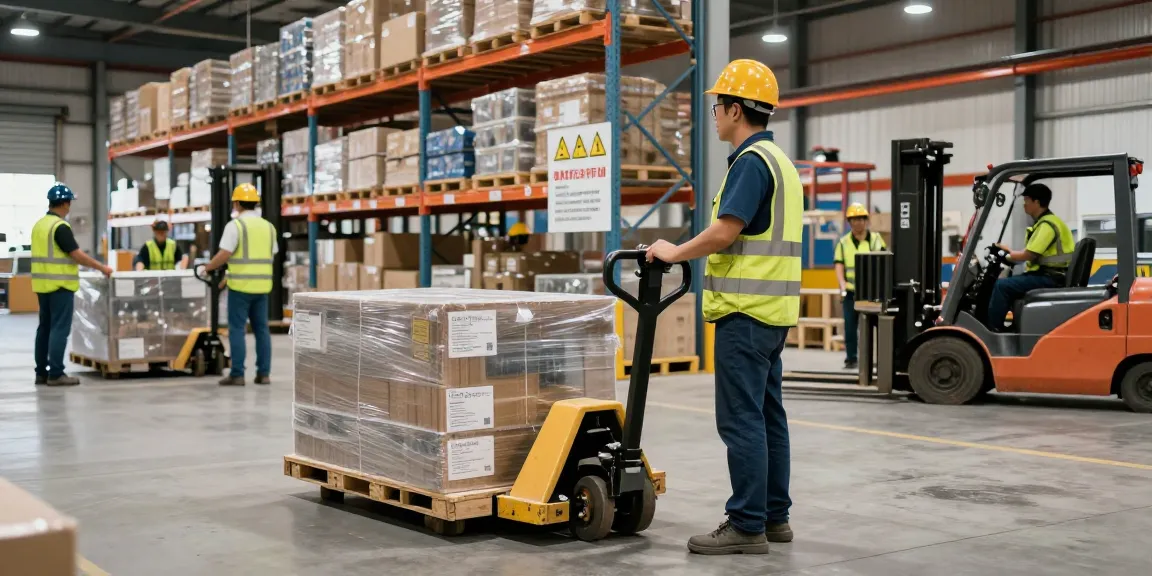
Understanding Manual Pallet Trucks
In the fast-paced world of material handling, the efficiency of operations hinges significantly on the choice of equipment. Among the various tools available, the manual pallet truck stands out as a versatile and cost-effective solution for many businesses, especially small to medium enterprises. When exploring options, manual pallet truck models cater to the diverse needs of varying industries.
What is a Manual Pallet Truck?
A manual pallet truck, often referred to as a hand pallet jack, is a commonly used piece of equipment in warehouses and retail environments. It allows workers to lift and transport palletized goods with ease. Typically operated by hand, these trucks feature two forks that slide under a pallet and a hydraulic lifting mechanism powered by the operator’s manual effort. This equipment is a staple in material handling due to its simplicity and effectiveness.
Key Features and Specifications
- Load Capacity: Manual pallet trucks typically have a load capacity ranging from 2,200 to 5,500 pounds, making them suitable for a wide variety of loads.
- Fork Length: Common fork lengths are 48 inches and 36 inches, which accommodate standard pallet sizes.
- Turning Radius: A compact design enables tight maneuvering in small spaces, enhancing operational flexibility.
- Hydraulic Pump: Manual hydraulic systems allow for easy lifting and lowering of loads.
- Durability: Constructed from robust materials, manual pallet trucks are built to withstand heavy-duty use.
Benefits of Using Manual Pallet Trucks
Manual pallet trucks provide various advantages that contribute to their widespread adoption in warehouses and distribution centers. Some of these benefits include:
- Cost-Effective: Generally, manual pallet trucks are less expensive compared to electric models, making them accessible for businesses with tight budgets.
- Simplicity: Easy to operate with minimal training, these trucks can be utilized effectively by most staff members.
- No Batteries Required: Since they do not rely on electrical power, there’s no need for battery charging or replacement, reducing maintenance costs.
The Pros of Manual Pallet Trucks
Cost-Effectiveness for Small Businesses
For many small businesses, managing costs is critical to survival and growth. Manual pallet trucks present an affordable option for efficient material handling without breaking the bank. With a lower initial investment and minimal ongoing operational costs, they fit perfectly into the budget for businesses looking to enhance productivity without significant financial outlay.
Portability and Ease of Use
A significant advantage of manual pallet trucks is their portability. Their lightweight design allows for easy maneuverability across different environments, making them ideal for both warehouses and retail settings. Additionally, the straightforward operation means that new employees can quickly learn how to use the equipment effectively, contributing to smoother operations from the start.
Low Maintenance Requirements
Unlike electric forklifts or other powered equipment, manual pallet trucks have fewer moving parts and do not require complex maintenance routines. The absence of electric components means there’s no risk of battery failure, and regular checks typically only involve the wheels, forks, and hydraulic system. This low maintenance requirement is particularly beneficial for small businesses that may lack dedicated technical staff for equipment upkeep.
The Cons of Manual Pallet Trucks
Physical Strain and Operator Fatigue
While manual pallet trucks offer great benefits, they do come with physical drawbacks. Operators are often required to exert significant effort to lift heavy loads, leading to fatigue over time. This aspect can pose challenges in high-volume operations where efficiency is paramount. Businesses must weigh the benefits of manual operation against the physical demands placed on employees.
Limitations in Load Capacity
Manual pallet trucks also have a maximum load capacity that may restrict their use for heavier items. For companies dealing with significantly heavier crates or pallets, relying solely on manual equipment might not be feasible. In such cases, businesses may need to consider electric alternatives for those heavier lifting tasks.
Efficiency Compared to Electric Options
In terms of operational speed, electric forklifts and electric pallet jacks generally outperform manual options. This difference can impact overall productivity, particularly in large warehouses where the time taken to move goods can significantly affect output rates. As such, businesses must analyze their specific load criteria and operational pace when deciding to utilize manual pallet trucks.
Best Practices for Using Manual Pallet Trucks
Safe Operating Procedures
To ensure safe and efficient use of manual pallet trucks, operators should adhere to the following best practices:
- Always check the truck’s condition before use, ensuring that the forks, wheels, and hydraulic systems are functioning correctly.
- Maintain a clear path when transporting loads to prevent accidents or obstacles that could cause injury.
- Use proper lifting techniques, bending at the knees rather than the back to minimize the risk of injury.
Regular Maintenance Tips
Regular maintenance is essential for prolonging the lifespan of manual pallet trucks. Operators should perform the following tasks:
- Lubricate the moving parts regularly to ensure smooth operation.
- Inspect the wheels for wear and replace them as needed to maintain optimal performance.
- Check the hydraulic fluid level and top it off if necessary to ensure that lifting capabilities remain effective.
Training for Effective Use
To maximize efficiency and safety, businesses should invest in proper training for all operators. Training programs should cover the following:
- Understanding load limits and safe operating practices.
- Recognizing potential hazards within the work environment.
- Hands-on practice to familiarize operators with the equipment.
Future Trends in Material Handling Equipment
Technological Innovations for 2026 and Beyond
The landscape of material handling is evolving due to advancements in technology. By 2026, we can expect to see innovations that enhance the efficiency and safety of manual pallet trucks. Smart technology that tracks usage patterns and alerts operators to maintenance needs can help in reducing downtime and improving operational efficiency.
Integration of Automation in Manual Handling
Even within the realm of manual pallet trucks, automation is beginning to play a role. Some companies are exploring hybrid models that combine manual operation with automated assistance, allowing for easier load handling without sacrificing the costs associated with entirely electric systems. This integration can help balance efficiency with overall equipment expense.
Sustainability Practices in Material Handling
As businesses grow increasingly aware of their environmental impact, sustainability is becoming a critical focus in material handling. Hand pallet trucks, being human-powered and not reliant on electricity, inherently provide a more sustainable option. However, companies may seek to implement additional practices such as using eco-friendly materials for equipment or adopting recycling initiatives within their operations.
What are the weight limits for a manual pallet truck?
Most manual pallet trucks have varying weight limits, typically ranging from 2,200 lbs to 5,500 lbs, depending on the model. It’s essential to check the specifications of each truck to ensure safety and efficiency in operations.
How does a manual pallet truck compare to electric options?
Manual pallet trucks require operator effort for lifting and moving, while electric pallet trucks utilize motorized functions. While electric options provide quicker operations and potentially reduce operator fatigue, they generally come at a higher cost. Manual trucks can be more suitable for smaller operations or in contexts where electrical infrastructure is lacking.
What are common maintenance tips for manual pallet trucks?
Regular maintenance includes checking hydraulic fluid levels, lubricating moving parts, and inspecting wheels and forks for wear. Following these steps helps ensure the longevity and safe operation of the equipment.
Can manual pallet trucks be used on uneven surfaces?
Manual pallet trucks can manage uneven surfaces to an extent, but operators should exercise caution. It’s advisable to avoid excessively rough terrain as this can lead to equipment damage or injury.
What safety considerations should operators keep in mind?
Operators should be aware of their surroundings, maintain visibility, and avoid overloading the pallet truck to prevent accidents. Using correct lifting techniques and following manufacturer guidelines will enhance overall safety when using manual pallet trucks.