Understanding LVP Flooring
What is LVP Flooring?
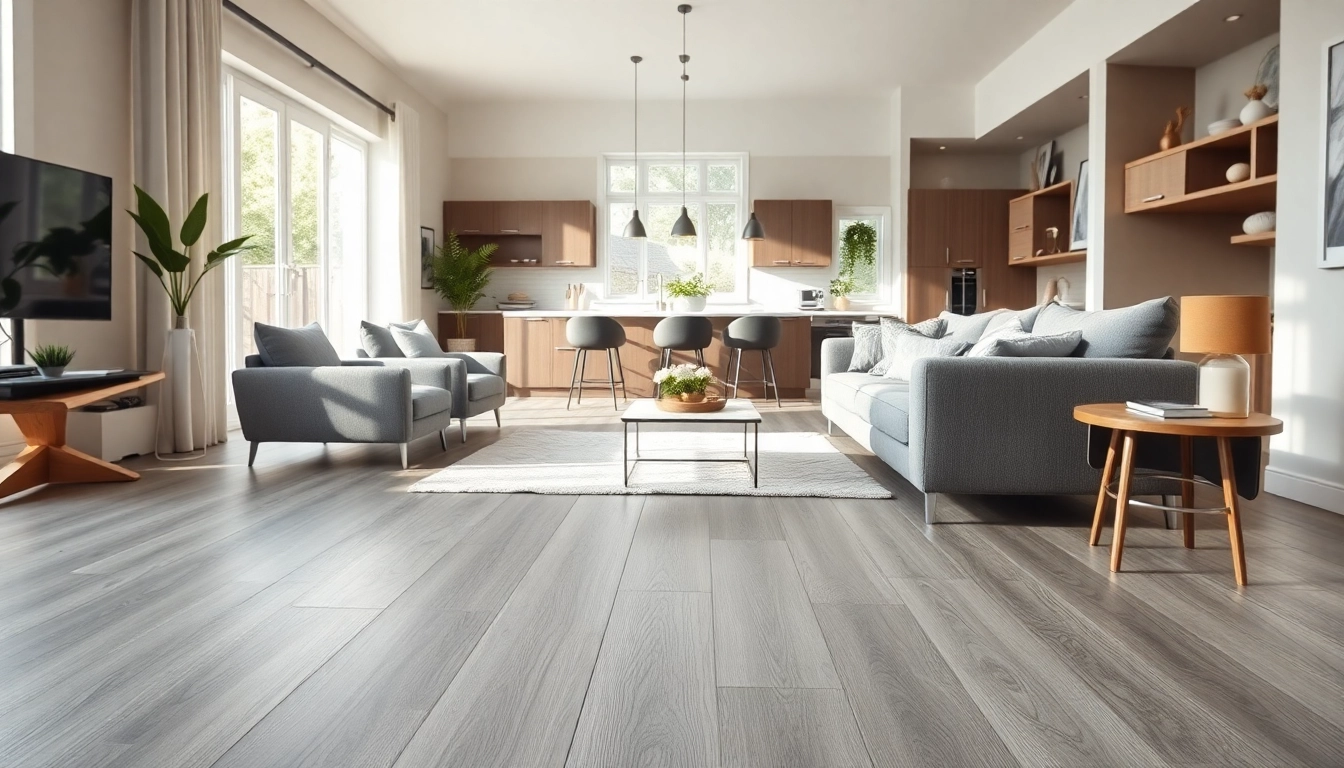
Luxury Vinyl Plank (LVP) flooring is an engineered flooring product designed to replicate the appearance of natural hardwood, tile, or stone. Comprising multiple layers, LVP is built for resilience and durability, making it an appealing choice for homeowners. The surface layer is often coated with a wear layer that protects against scratches and stains, while the core provides stability. This makes LVP a popular option in both residential and commercial settings.
Benefits of Best LVP Flooring
The best lvp flooring comes with numerous benefits:
- Durability: LVP is designed to withstand heavy foot traffic, making it ideal for busy households or commercial spaces.
- Water Resistance: It is highly resistant to moisture and can be used in bathrooms, kitchens, and basements without worry.
- Comfort: Unlike tile or hardwood, LVP provides a warmer and softer surface underfoot.
- Versatility: Available in a vast array of styles, colors, and textures, it can adapt to any design aesthetic.
- Easy Maintenance: A simple sweeping and occasional mopping is usually enough to keep it looking great.
- Cost-Effectiveness: Typically more affordable than traditional hardwood or stone options while providing similar aesthetics.
Comparing LVP with Other Flooring Types
When considering new flooring, it’s important to compare different options:
- Hardwood: While hardwood offers timeless beauty, it can be susceptible to scratches and water damage. In contrast, LVP provides a similar appearance but is much more resilient.
- Tile: Tile is durable and waterproof but can be cold and hard underfoot. LVP mimics the look of tile while offering a softer, warmer surface.
- Carpet: While carpet offers warmth and comfort, it is difficult to clean and maintain. LVP provides the aesthetic value of various designs without the challenges of carpet maintenance.
Factors to Consider When Choosing LVP Flooring
Durability and Longevity
Choosing the best LVP flooring involves understanding its durability characteristics. High-quality LVP typically has a thicker wear layer, often at least 20 mils, which extends its lifespan. It is generally resistant to scratches, dents, and staining, providing assurance that your investment will maintain its appearance over time.
Style and Design Options
The style variety available with LVP is astounding. From rustic wood looks to sleek, modern tiles, the options are endless. Consider the overall aesthetic of your home and opt for LVP that complements your existing decor. Textures and finishes can further enhance the realism of wood or stone, and many products feature embossing that mimics natural grain.
Installation Methods
Understanding installation methods is crucial when selecting LVP. Different types come with varying installation techniques:
- Glue-Down: Best for areas that require maximum stability and moisture protection.
- Locking Mechanism: Floating floors that snap together offer ease of installation, making them ideal for DIY projects.
- Loose Lay: This method requires minimal adhesive and is suitable for large spaces, allowing for easy removal and replacement.
The Installation Process of Best LVP Flooring
Preparing Your Space
Before installation, it’s essential to prepare your space properly. Start by removing any existing flooring and ensuring the subfloor is clean, dry, and level. Any imperfections must be fixed, as LVP will reflect them. Acclimation of the LVP planks to the room’s temperature may also be necessary, typically for 48 hours prior to installation.
Step-by-Step Installation Instructions
Follow these steps for a successful installation of the best LVP flooring:
- Acclimate the planks by leaving them in the room.
- Prepare the subfloor – clean, dry, and level it.
- Install a moisture barrier if necessary.
- Begin laying the planks from the longest wall or center of the room, depending on your design.
- Use spacers along the walls to allow for expansion.
- Ensure each plank clicks or adheres properly, following the manufacturer’s instructions.
- Finish with transition strips as needed.
Common Mistakes to Avoid
To ensure a flawless installation, avoid these frequent pitfalls:
- Neglecting to acclimate the LVP, which can lead to expansion or contraction.
- Ignoring subfloor imperfections which might affect the result.
- Not using a proper underlayment, especially with floating floors.
- Failing to follow the manufacturer’s specific installation guidelines.
Maintaining Your LVP Flooring
Daily Cleaning Tips
Keeping your LVP flooring clean on a daily basis is simple. Use a dry microfiber mop or a broom to sweep away dirt and debris. For deeper cleans, a damp mop with a gentle cleaner will suffice. It’s crucial to avoid harsh chemicals or scrubbing pads that could damage the surface layer.
Long-Term Care Practices
Long-term maintenance of LVP flooring involves regularly checking for scratches or discoloration. Consider placing rugs in high-traffic areas and using furniture pads to protect against dents. Additionally, keeping humidity levels in check will help maintain the integrity of the planks.
Repairing Minor Damage
If your LVP flooring sustains minor damage, repairs can be straightforward. For scratches, manufacturers typically recommend specific repair kits that can fill and conceal. For dented planks, heat may help them return to their original shape. In cases of severe damage, it may be necessary to replace individual planks.
FAQs About LVP Flooring
How durable is best lvp flooring?
The best LVP flooring is highly durable, often lasting 20 years or more with appropriate care, making it a practical choice for busy households.
Can best lvp flooring be installed over existing floors?
Yes, best LVP flooring can often be installed over existing floors, provided the subfloor is level and stable. This can save time and effort during renovation.
Is best lvp flooring waterproof?
To a large extent, yes. The best LVP flooring is engineered to be highly water-resistant, making it suitable for moisture-prone areas like bathrooms and kitchens.
What is the cost range for best lvp flooring?
The cost for the best LVP flooring can range significantly; expect to pay between $2 and $7 per square foot, not including installation.
How does best lvp flooring compare to hardwood?
While hardwood offers natural beauty and warmth, the best LVP flooring provides similar aesthetics, enhanced durability, and moisture resistance at a lower cost.